
موزه آثار فرهنگی تاریخی کرباسی
Karbasi Museum · Shiraz


+9871 3626 2294- +9871 3628 5342

museumkarbassi

karbassi.museum

info@karbasi.com

No. 131, Alley 40, Sub-section 40/4, Qasr-al-Dasht St., Shiraz
طراحی و توسعه توسط آبادیس سافت
Preserving history and culture is preserving the identity and values of a society.

Historical artifacts—including buildings, artworks, ancient objects, and other items from the past—reflect the development and progress of a society over time. Preserving these artifacts is of paramount importance; such conservation efforts prevent their destruction and oblivion while simultaneously strengthening the social and cultural bonds among members of the community.
These works not only reflect a society's history and culture but also transmit cultural, artistic, and historical values to future generations. Their preservation and restoration constitute a social responsibility undertaken to safeguard not only history and culture but also the identity and values of the community. Various factors—such as air pollution, climate change, human activities (including destruction and misuse), and natural disasters—can jeopardize historical sites and artifacts. Therefore, implementing appropriate preservation and restoration programs through the collaboration of the public, the government, researchers, and experts in culture and art is essential. Given that historical works are unique and irreplaceable, their preservation and restoration must be treated as a national and international priority.
The conservation of historical artifacts is defined as a specialized field within the sciences dedicated to the preservation and maintenance of historical and cultural objects. This field encompasses restoration, conservation, interpretation, and reconstruction activities aimed at safeguarding the historical, cultural, and artistic values of these artifacts—thereby ensuring their transmission to future generations while preserving their integrity and authenticity. It involves the application of scientific methods, modern technologies, and international standards, as well as collaboration among specialists in the conservation and restoration of historical artifacts.
The primary objectives of historical monument conservation include the preservation and maintenance of historical artifacts, raising public awareness regarding cultural and historical values, and fostering collaboration among cultural institutions and local and international conservationists for the preservation and restoration of historical monuments.
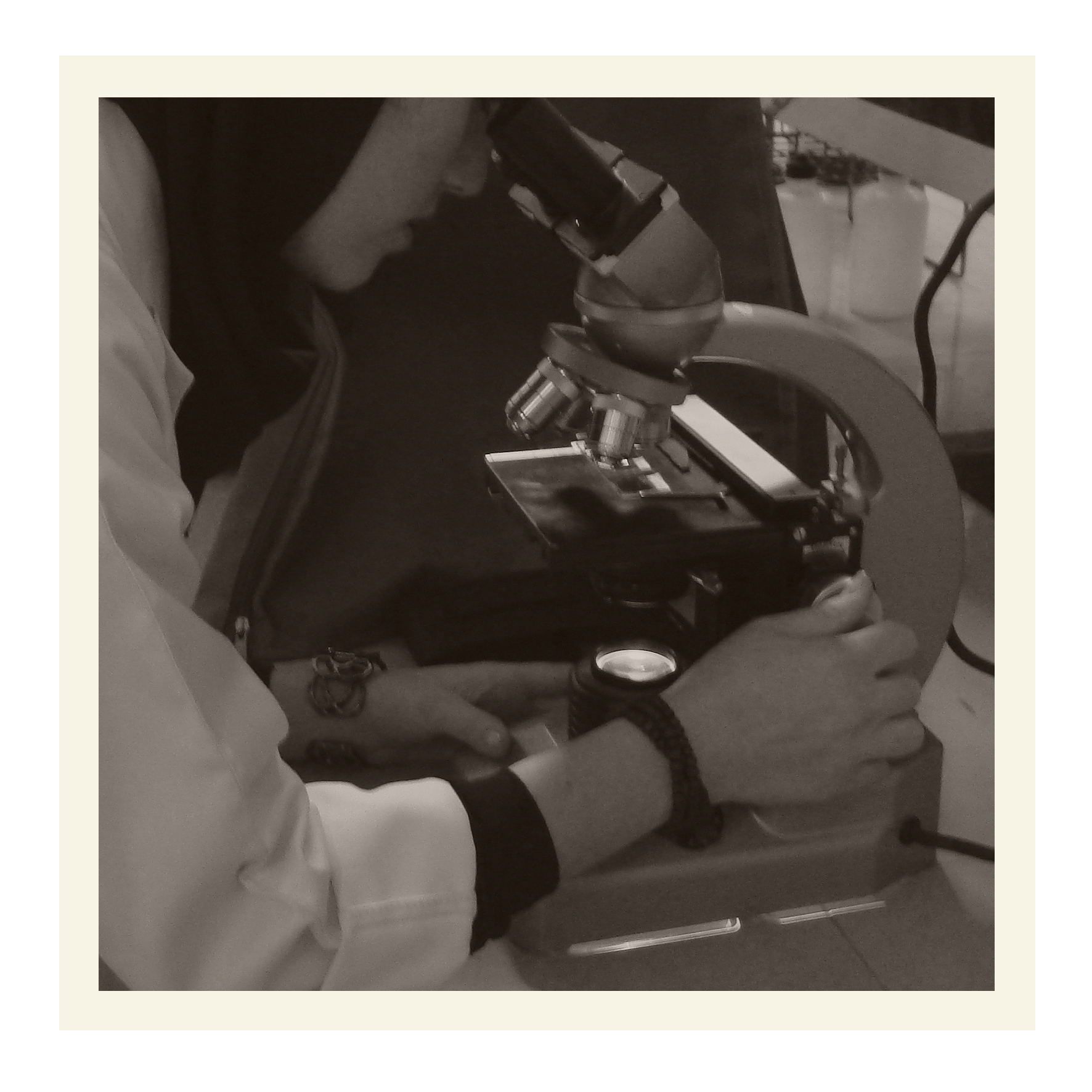
Preserving and restoring historical objects requires various measures. Since each artifact demands a unique approach, it is the conservator who decides how to address the traces of the passage of time on the objects. In contemporary times, 'preventive conservation' has gained heightened importance as a method for preserving historical artifacts.
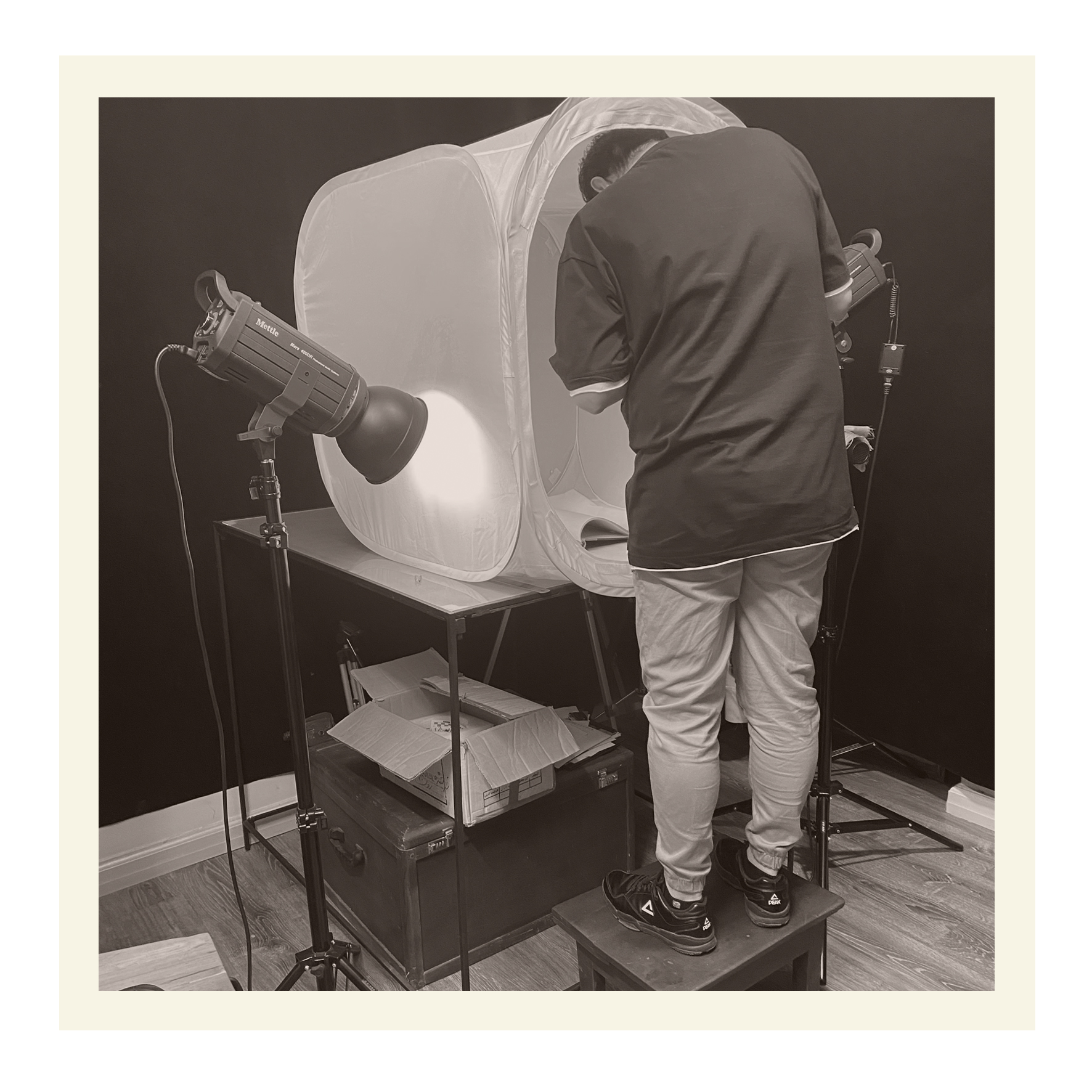
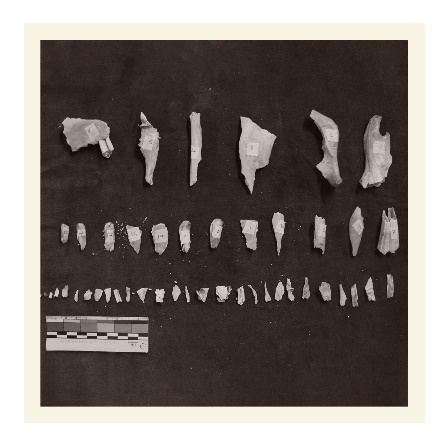
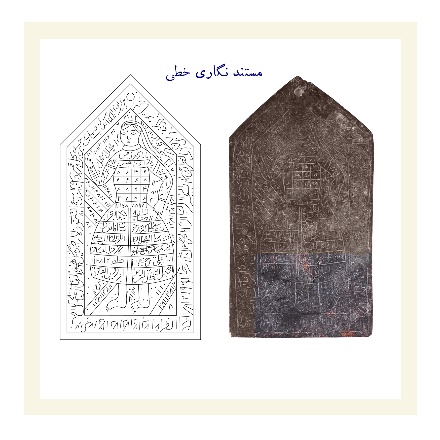
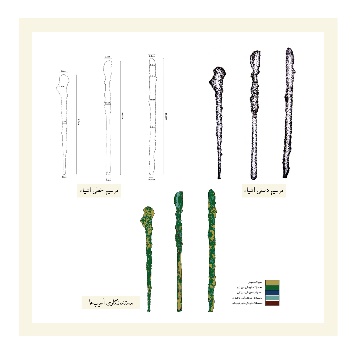
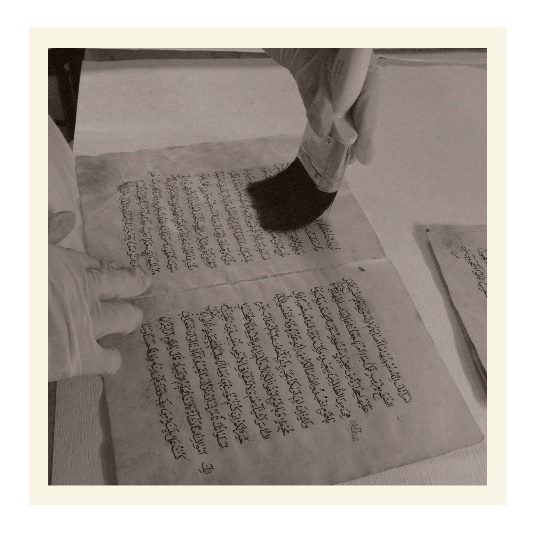
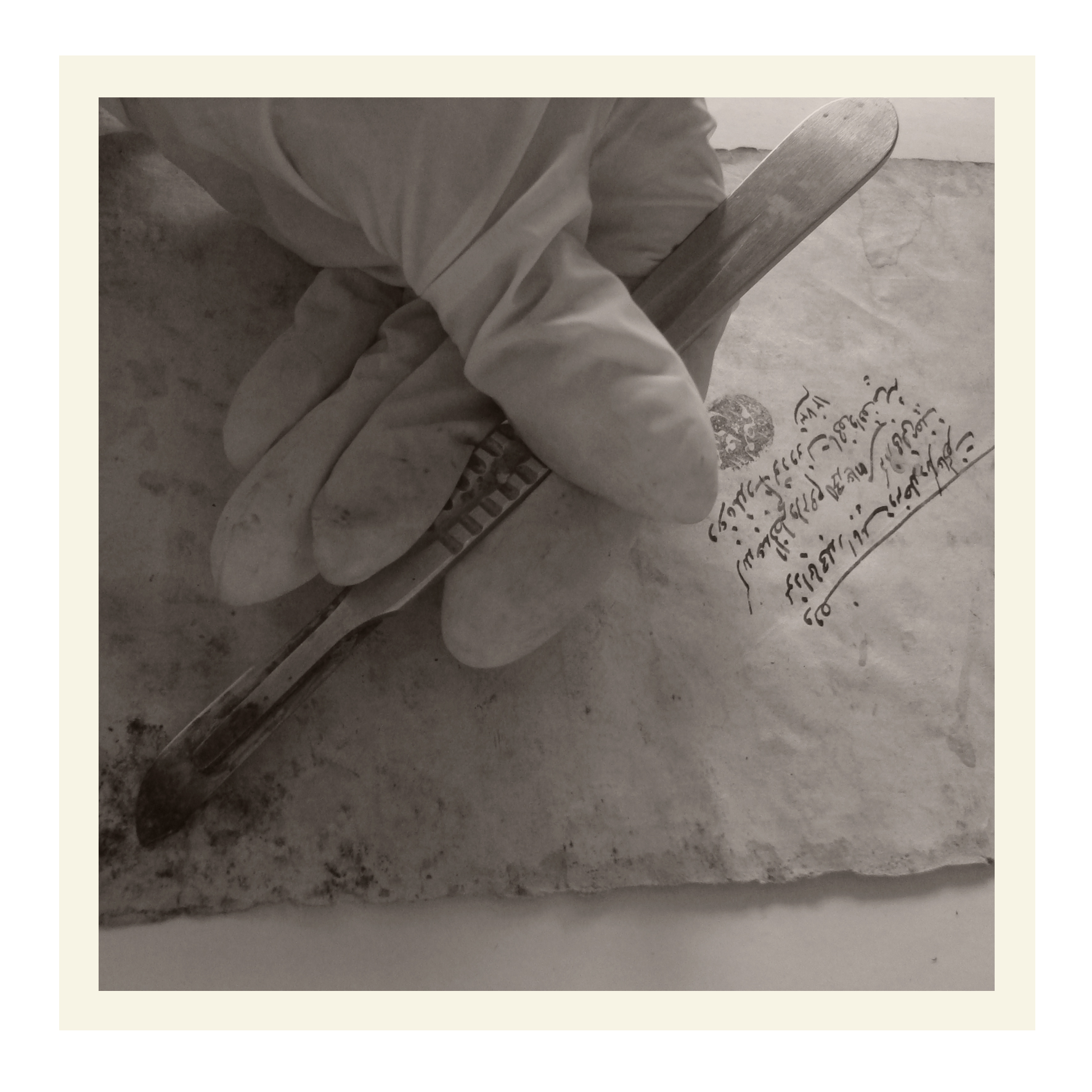
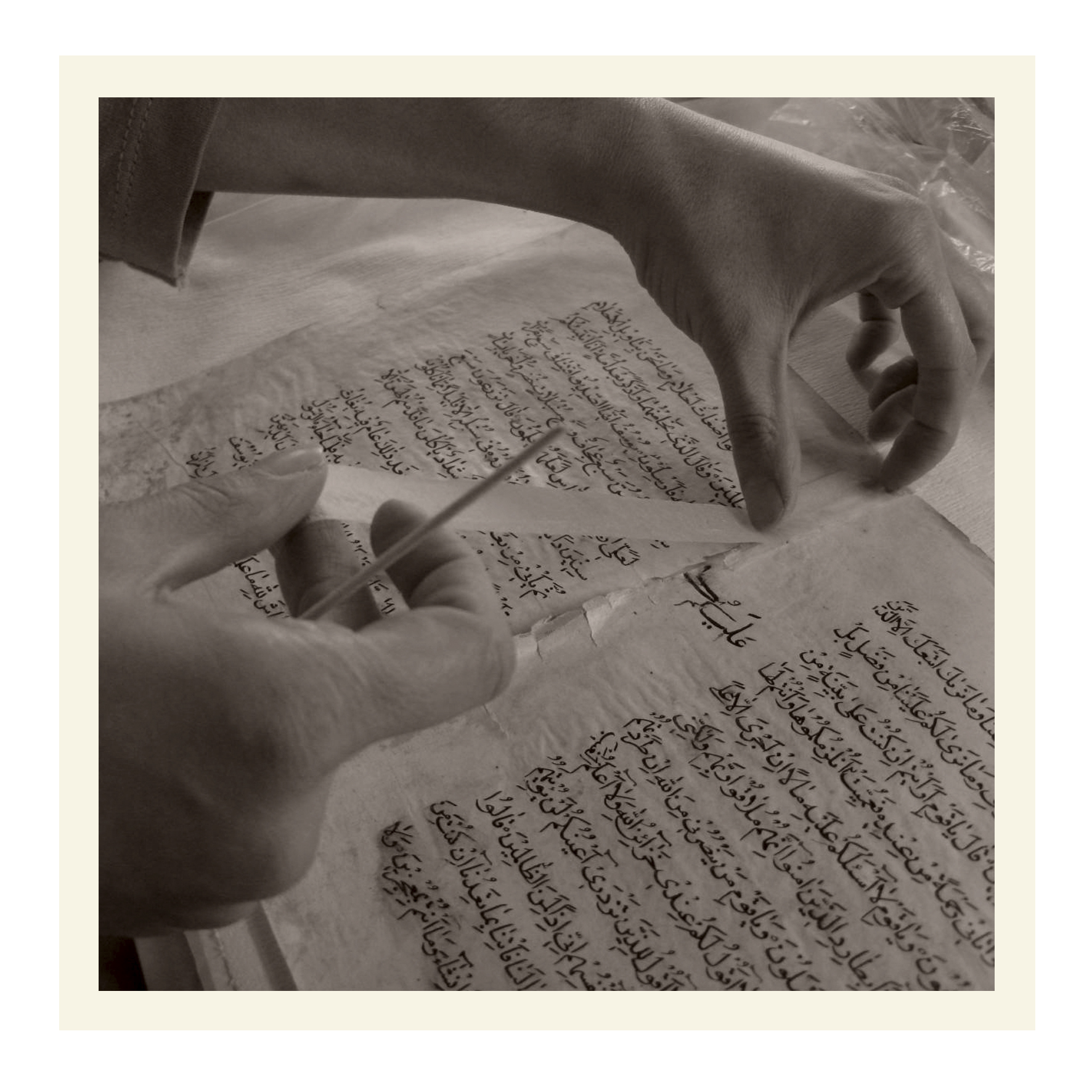
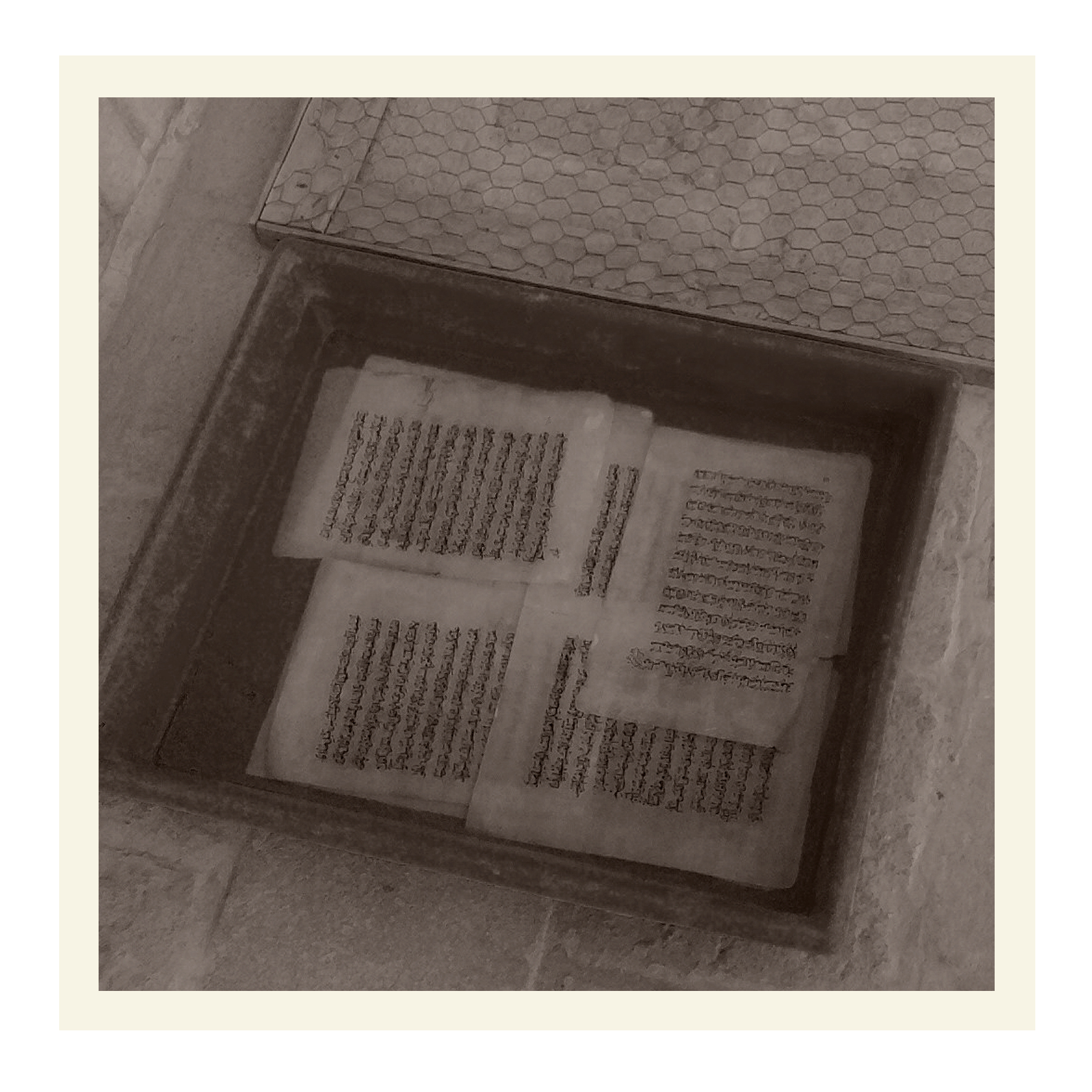

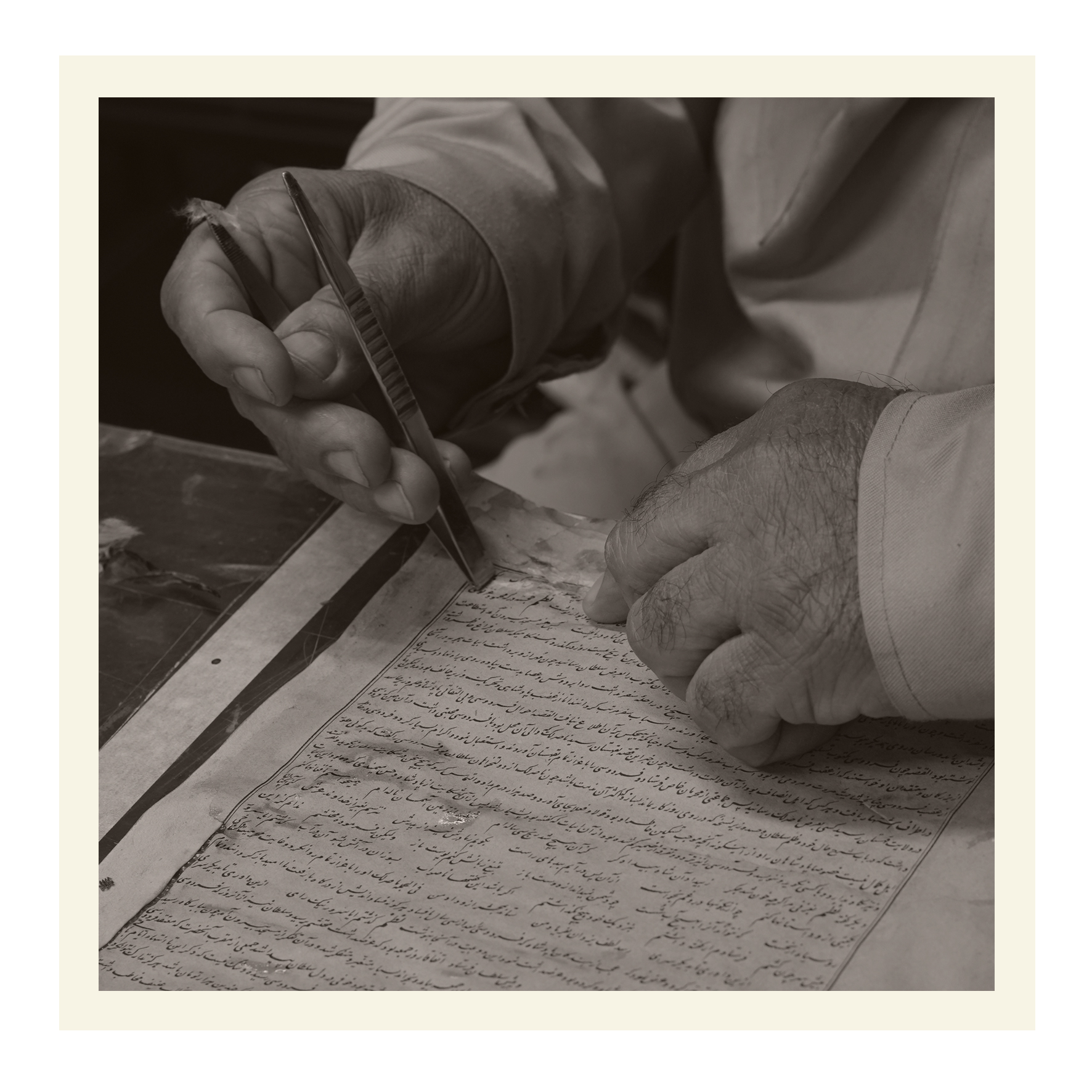
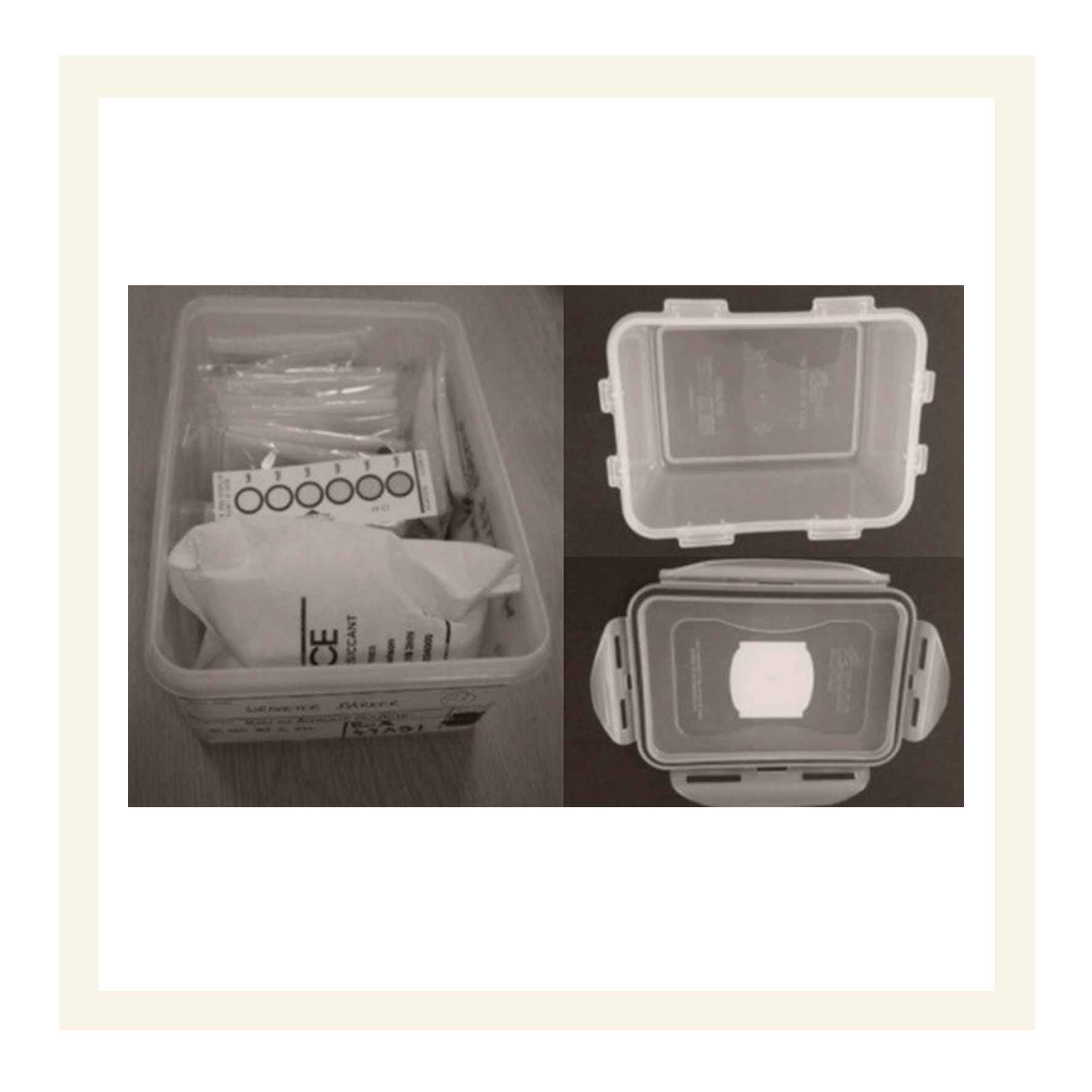
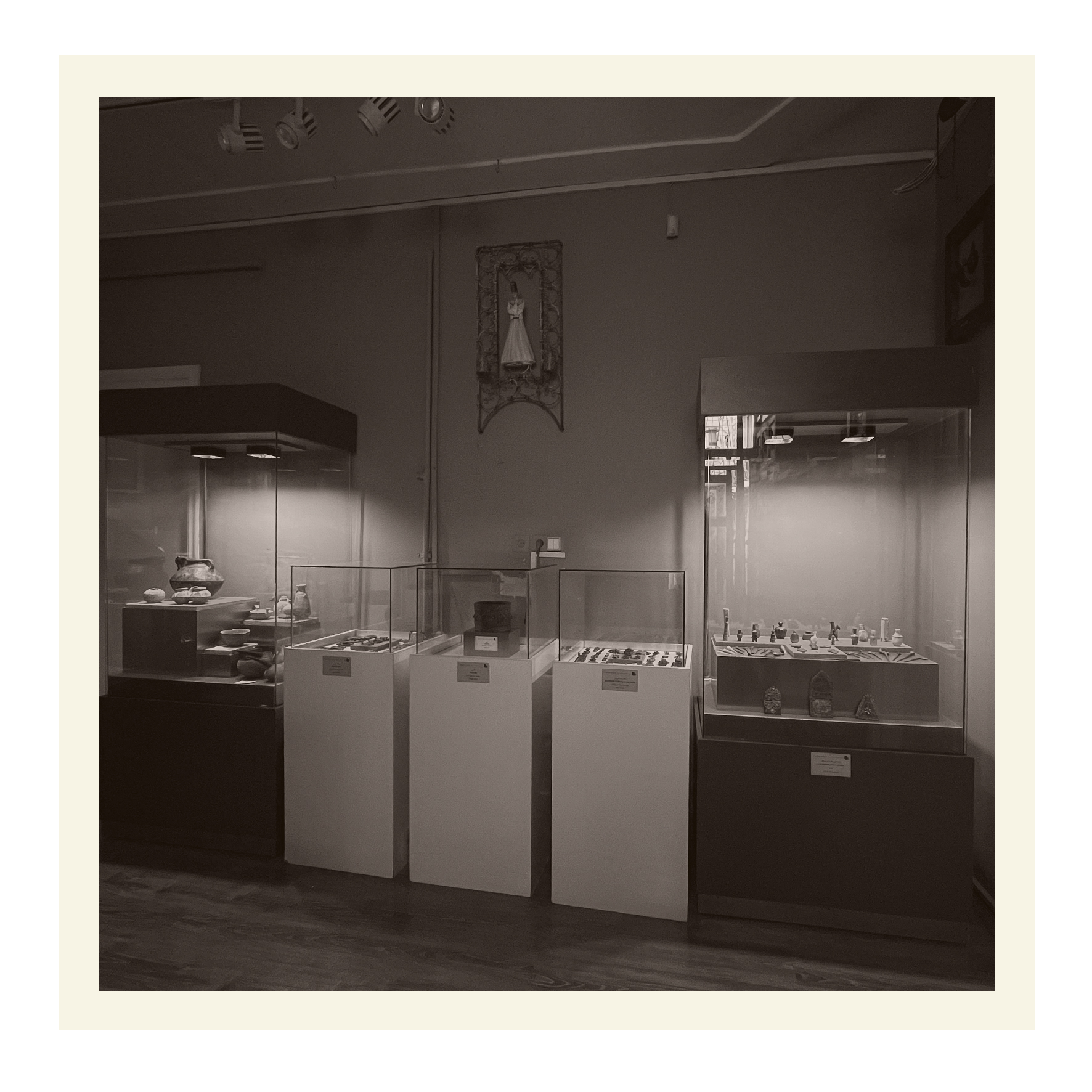

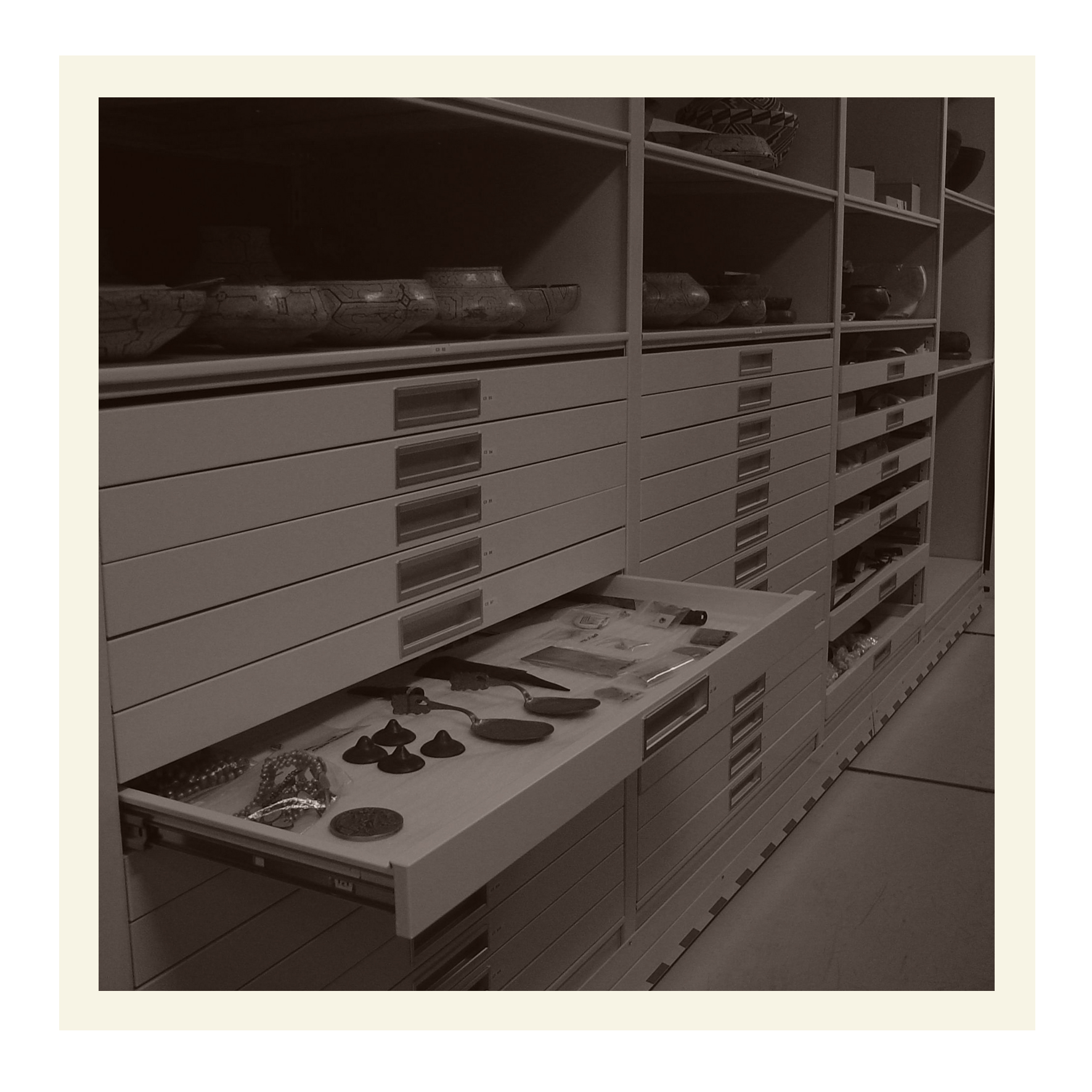
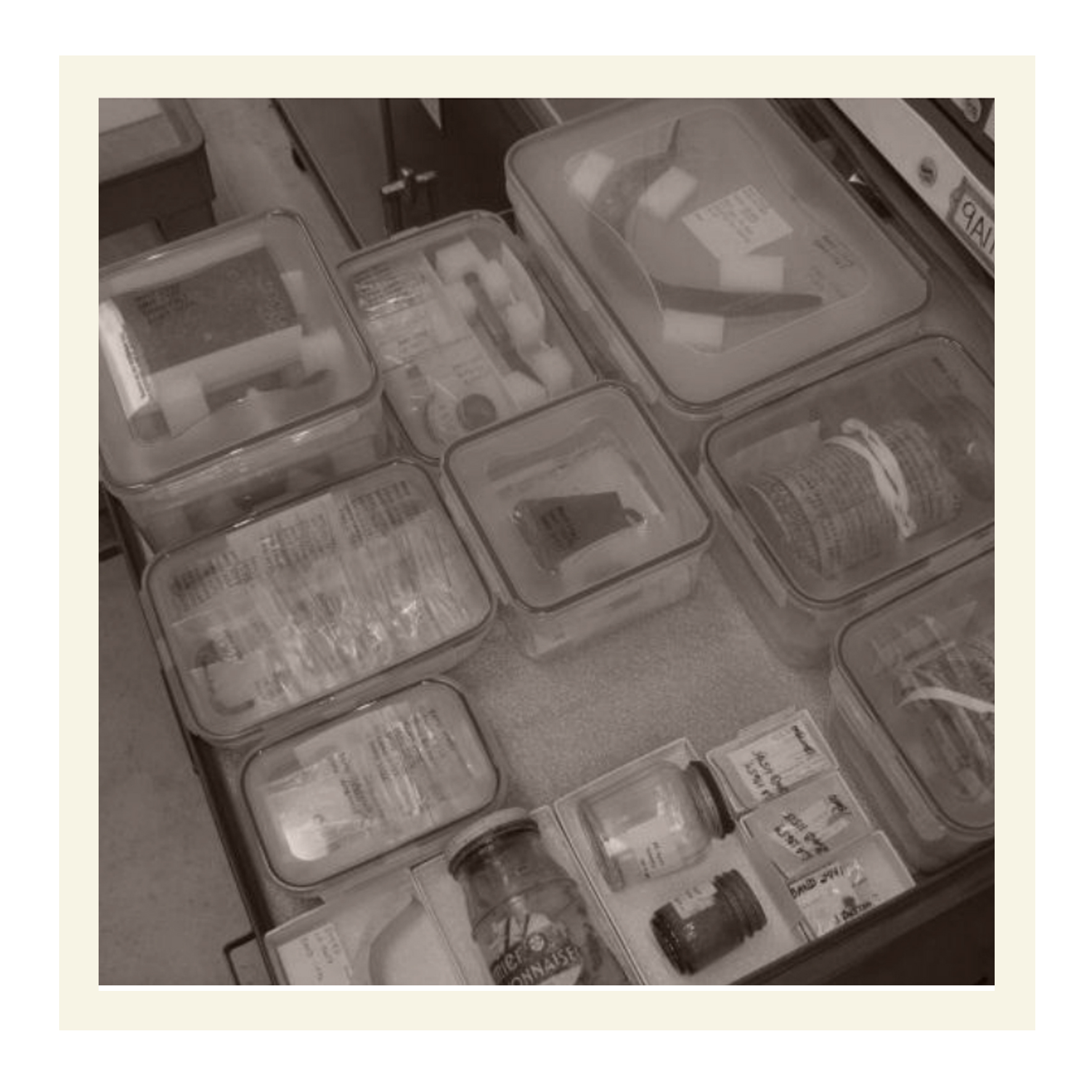
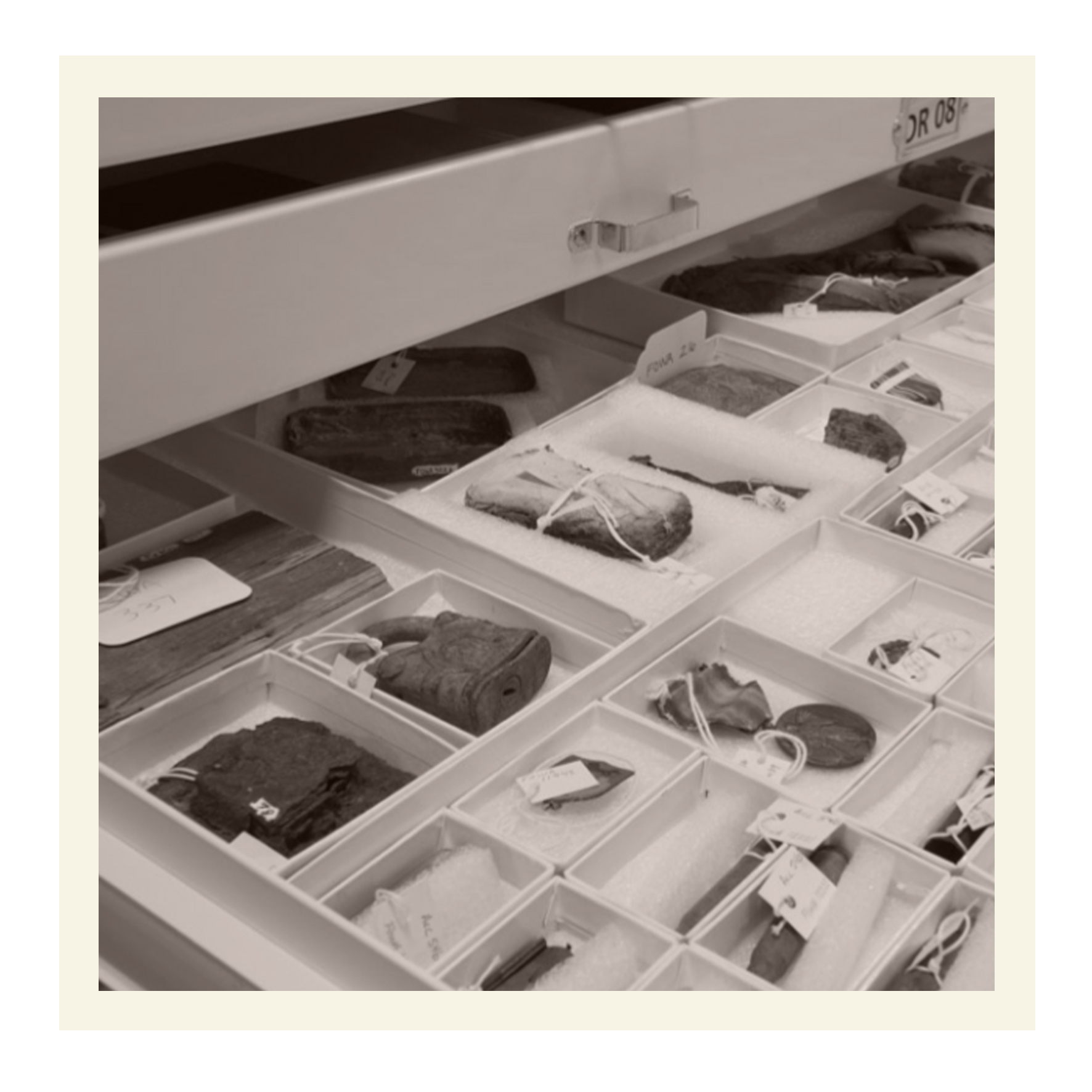
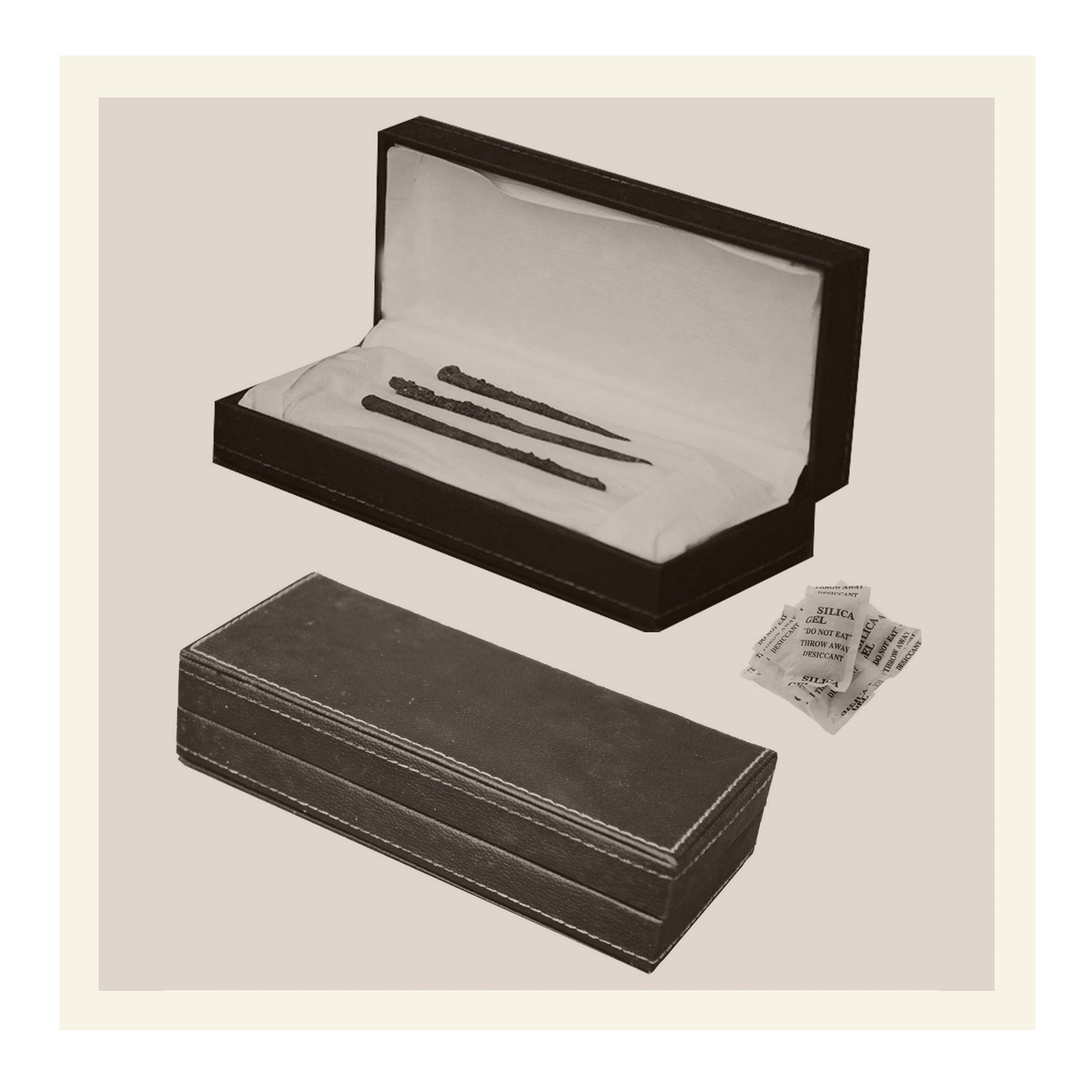
In line with the adoption of modern technologies and leveraging advancements in 3D printing capabilities within the organization, efforts are being directed toward utilizing this technology to optimize the preservation of historical artifacts—specifically by designing custom supports tailored to the unique shape and condition of each object—and to reconstruct missing sections of these artifacts.
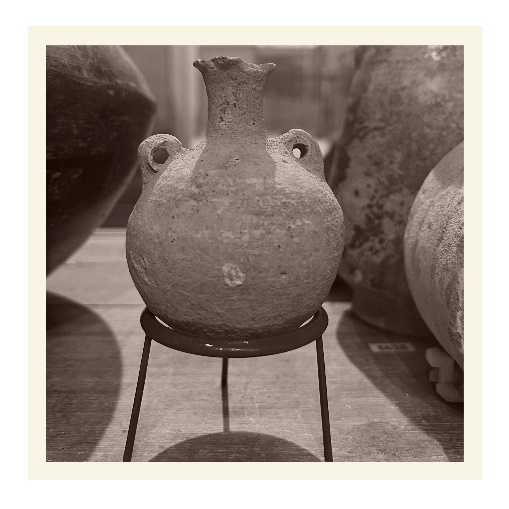
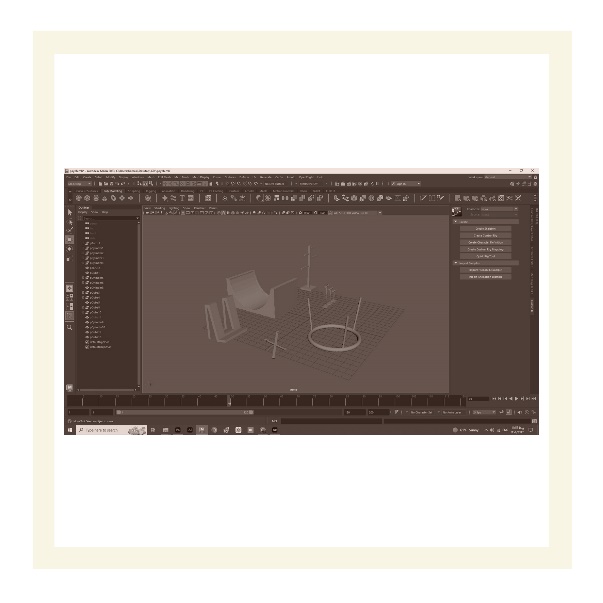
As shown in the image, 3D printing technology has been used to design a support stand for a historical pottery artifact. Due to its small base footprint, the artifact was unstable against potential vibrations and required a sturdy support; a stand was therefore designed based on the object's dimensions and produced using a 3D printer. This technology is also employed to reconstruct missing sections of artifacts, ensuring minimal intervention with the object itself.
By implementing these measures, it is possible to properly preserve and protect valuable historical artifacts and safeguard them for future generations.
